
japanese food plating and seasonal culinary aesthetics

The Art of Japanese Food Plating and Seasonal Culinary Aesthetics

Japanese cuisine is known not only for its flavors and ingredients but also for the careful way food is arranged before it reaches the table. The appearance of a dish can influence how diners perceive its freshness, seasonality, texture, and overall character.

Japanese food plating goes beyond simply making a meal look attractive. The arrangement of ingredients, choice of plate, use of color, and amount of empty space can all contribute to the dining experience.

For travelers interested in Japanese cuisine, understanding these visual elements can provide a deeper appreciation of what appears on the table.

What Makes Japanese Food Plating Different

Japanese plating often emphasizes simplicity, balance, and harmony.

Instead of covering an entire plate with food, chefs may intentionally leave areas of empty space. This creates visual separation and allows individual ingredients to stand out.

The plate itself also becomes part of the composition.

Food and tableware work together

A dish is rarely selected randomly.

The shape, color, material, and texture of a plate or bowl can complement the ingredients being served.

A colorful seasonal dish may be placed on a more subdued ceramic plate, while a simple ingredient can be presented on distinctive handmade tableware.

This relationship between food and tableware helps create a cohesive presentation.

The Role of Color

color and balance in japanese food plating

Color is one of the easiest elements to notice in Japanese food presentation.

A well-composed dish may combine several natural colors without making the arrangement feel excessive.

Creating contrast

Different ingredients can provide natural contrasts.

For example, green vegetables can stand out against pale fish, while orange seafood can add warmth to a plate dominated by neutral tones.

Garnishes may also provide small accents of color.

Reflecting the season

Colors can help communicate the season.

Spring dishes may use softer and lighter tones, while autumn presentations can incorporate warmer colors associated with leaves and harvest ingredients.

This allows diners to experience a visual connection with the time of year.

The Importance of Empty Space

One of the most distinctive aspects of Japanese plating is the deliberate use of empty space.

A plate does not necessarily need to be filled completely.

Giving ingredients room

Leaving open areas around ingredients allows each component to remain visually recognizable.

This can make a meal feel lighter and more organized.

Creating balance

Empty space also contributes to balance.

The food may be arranged slightly to one side rather than placed directly in the center.

This asymmetrical approach can create a more natural and dynamic composition.

Asymmetry in Japanese Food Presentation

Perfect symmetry is not always the goal.

Japanese plating can use irregular arrangements to create a more organic appearance.

Natural-looking arrangements

Ingredients may be placed at slightly different angles or heights.

This can make the presentation feel closer to the natural forms of the ingredients themselves.

Avoiding visual repetition

If every element were arranged identically, the plate could feel overly structured.

Small differences in size, direction, and position help create visual movement.

Choosing the Right Plate
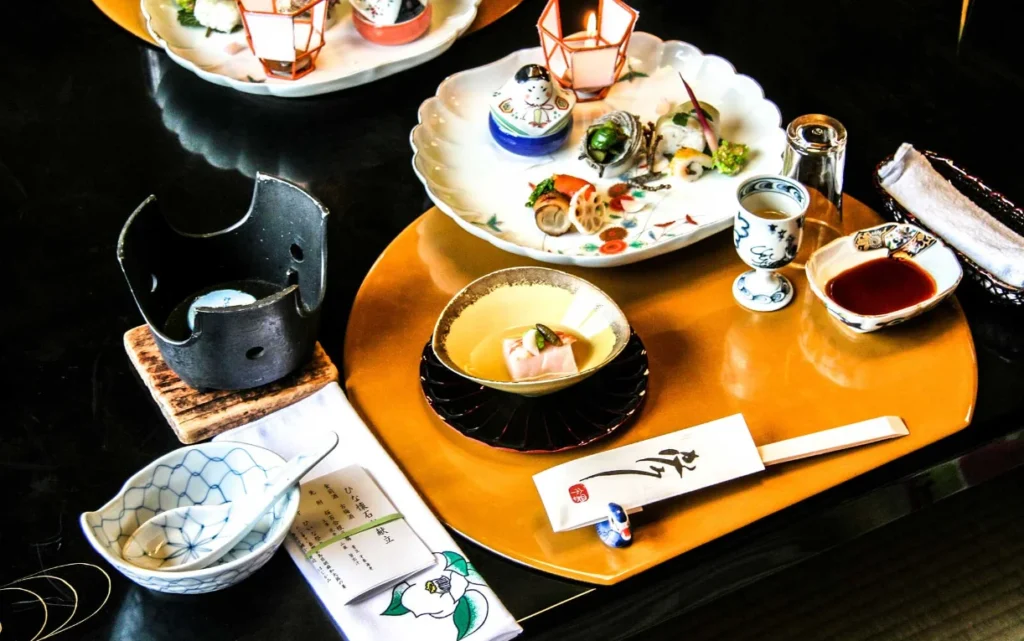
japanese tableware used for food plating

The plate itself can have a major influence on how food looks.

Japanese tableware comes in many shapes, sizes, materials, and colors.

Shape

Round plates create a different visual effect from rectangular or irregularly shaped dishes.

The shape can be selected according to the type of food being served.

Color

The color of the plate can either contrast with or complement the ingredients.

Dark ceramics, for example, can make colorful seafood and vegetables appear particularly vibrant.

Texture

Handmade ceramics may have natural variations in glaze and surface texture.

These imperfections can add character to the overall presentation.

Arranging Ingredients by Height

Japanese plating can also use different heights to create depth.

Flat ingredients may form a base, while other components are positioned slightly higher.

This creates a three-dimensional appearance rather than making the food look completely flat.

However, the arrangement generally remains controlled rather than excessively elaborate.

The Role of Garnishes

Garnishes can provide more than decoration.

Shiso leaves, grated daikon, wasabi, herbs, flowers, and other elements can contribute color, texture, aroma, or flavor.

Garnishes should complement the dish

A garnish should ideally support the main ingredients rather than overwhelm them.

Small details can make a significant visual difference when used carefully.

Seasonal garnishes

Some garnishes can also reinforce the season.

Flowers, leaves, or other natural elements may be used to create a stronger connection between the meal and the time of year.

Seasonal Food Plating

Seasonality is closely connected with Japanese culinary presentation.

The appearance of a dish can change according to the ingredients available during different periods of the year.

Spring plating

Spring presentations may incorporate delicate colors, young vegetables, herbs, and floral elements.

The overall appearance can feel light and fresh.

Summer plating

Summer dishes may emphasize cool colors and refreshing ingredients.

Glassware, chilled dishes, and lighter arrangements can contribute to a sense of freshness.

Autumn plating

Autumn offers naturally warm colors through ingredients such as mushrooms, pumpkins, root vegetables, and seasonal fish.

Tableware with earthy colors can complement these ingredients.

Winter plating

Winter presentations can feature richer colors and hearty ingredients.

Hot dishes, seafood, root vegetables, and warming preparations may create a stronger sense of comfort.

Food Texture and Visual Composition

Texture is another important part of the presentation.

A dish can combine smooth, crispy, soft, firm, and delicate elements.

The contrast can be experienced visually before the first bite.

Combining different textures

For example, a soft seafood ingredient can be paired with crisp vegetables or crunchy toppings.

This creates contrast both in the mouth and on the plate.

Natural textures

Ingredients do not always need to be transformed into perfectly uniform shapes.

Natural textures can contribute to the visual character of the dish.

Plating Different Types of Japanese Food

Different dishes require different approaches to presentation.

Sushi

Sushi presentation often emphasizes precision and simplicity.

The shape and color of each piece can remain visible, with minimal decoration needed.

Sashimi

Sashimi can use carefully arranged slices alongside shiso, daikon, wasabi, and other accompaniments.

The arrangement can highlight differences between fish varieties.

Tempura

Tempura can emphasize height and contrast.

Crispy pieces may be arranged so that each item remains visible rather than stacked heavily on top of one another.

Kaiseki-style dishes

More elaborate multi-course dining can place particular emphasis on seasonal ingredients, tableware, colors, and progression.

Each course can present a different visual composition.

Regional Influences on Japanese Plating

Japanese food presentation is not completely uniform across the country.

Regional ingredients and culinary traditions can influence the way dishes are prepared and served.

A seafood-focused meal in Hokkaido may have a different visual character from a seasonal vegetable dish in Kyoto.

These differences make regional dining experiences especially interesting for travelers.

Appreciating Japanese Plating as a Traveler

Visitors do not need professional culinary knowledge to appreciate Japanese food presentation.

Before eating, take a moment to look at the dish.

Notice:

  • The arrangement of ingredients
  • The colors
  • The shape and material of the plate
  • The use of empty space
  • Seasonal elements
  • Differences in texture
  • How the dish relates to other courses

These details can reveal the thought that went into preparing the meal.

Travelers who want to understand the broader relationship between presentation and Japanese dining traditions can also explore this japanese food presentation guide.

Why Japanese Plating Enhances the Dining Experience

Presentation can influence expectations before the first bite.

When ingredients are arranged carefully, diners may become more attentive to their colors, textures, aromas, and individual characteristics.

This encourages a slower and more deliberate approach to eating.

The visual composition therefore becomes part of the overall sensory experience rather than a separate decorative element.

Final Thoughts

Japanese food plating demonstrates how cuisine can combine taste, visual design, seasonality, and cultural tradition.

Color, empty space, asymmetry, tableware, texture, and seasonal ingredients can all contribute to the appearance of a dish.

For travelers, paying attention to these details can make Japanese dining experiences more rewarding.

Whether enjoying simple sushi, fresh sashimi, seasonal vegetables, or an elaborate multi-course meal, the presentation offers another way to understand the care and philosophy behind Japanese cuisine.
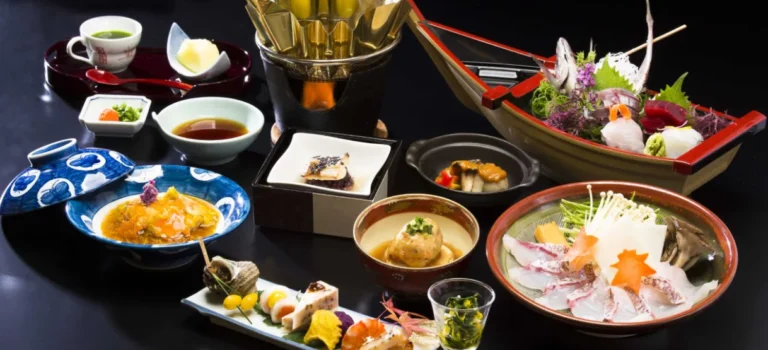
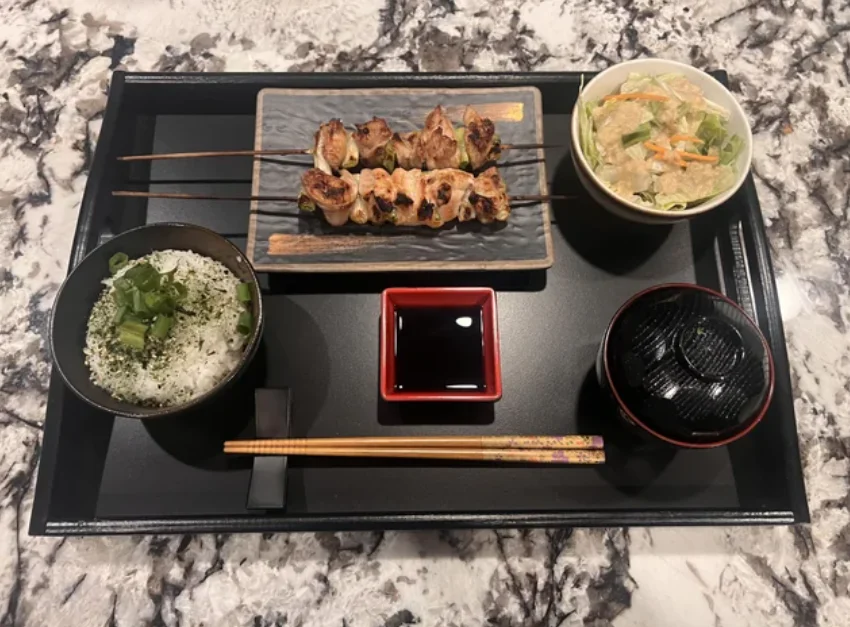
japanese food presentation and seasonal dining

Japanese Food Presentation and Seasonal Dining Traditions

Japanese cuisine is often recognized for its ingredients and flavors, but the dining experience also depends heavily on how food is presented. The arrangement of dishes, choice of tableware, colors, textures, and seasonal ingredients can all influence how a meal is perceived.

Food presentation in Japan is not simply about making a dish look attractive. It can reflect the season, highlight the characteristics of an ingredient, and create a connection between the meal and its surroundings.

For travelers, understanding this aspect of Japanese cuisine can make dining experiences more meaningful. A meal can become an opportunity to appreciate not only what is being served but also why it has been presented in a particular way.

The Importance of Presentation in Japanese Cuisine

Presentation plays an important role in Japanese culinary traditions.

Rather than treating appearance as something separate from flavor, Japanese cuisine often considers the visual experience part of the meal itself.

Balance between food and tableware

The plate or bowl is often selected to complement the food placed on it.

The shape, color, texture, and size of tableware can influence how the ingredients appear.

A simple dish may be served on a plate with subtle patterns, while a more elaborate meal can involve several different pieces of tableware.

Creating visual balance

Japanese food presentation often emphasizes balance.

The arrangement of ingredients can consider color, height, shape, and negative space.

Instead of filling every part of a plate, leaving areas of open space can make individual ingredients more noticeable.

This approach allows the food itself to remain the focus.

Related Article: The Art of Japanese Food Plating and Seasonal Culinary Aesthetics

Seasonality as Part of the Dining Experience

Seasonality is one of the defining characteristics of Japanese food culture.

Ingredients and presentation can change throughout the year, allowing meals to reflect the current season.

Spring

Spring is often associated with delicate colors, fresh vegetables, young plants, and seasonal flowers.

Food presentation during this period may incorporate lighter colors and ingredients that symbolize renewal.

The visual character of spring cuisine can therefore feel noticeably different from dishes served during colder months.

Summer

Summer dining can emphasize refreshing ingredients and lighter preparations.

Cold dishes, seasonal vegetables, seafood, and colorful garnishes can create a visual impression of freshness.

Tableware may also contribute to this feeling, with glass or lighter-colored ceramics sometimes used to create a cooler appearance.

Autumn

Autumn provides a particularly rich range of colors and ingredients.

Mushrooms, pumpkins, root vegetables, fish, and other seasonal products can appear in dishes.

Warm earth tones and natural motifs can complement the atmosphere of the season.

Winter

Winter cuisine often focuses on warming and substantial foods.

Hot pots, soups, seafood, root vegetables, and other hearty preparations can become more prominent.

The presentation may also use darker or more subdued colors that create a sense of warmth and depth.

The Art of Japanese Plating

japanese food plating and presentation

Japanese plating involves more than arranging food neatly on a plate.

Different elements can be positioned to create a sense of movement and balance.

Color

Color can help make a dish visually appealing.

Red, green, yellow, white, and other natural tones can be combined to create contrast.

Seasonal garnishes can provide additional color without overwhelming the main ingredients.

Shape

The shape of ingredients and tableware can also influence presentation.

Round bowls, rectangular plates, irregular ceramic surfaces, and other forms can create different visual effects.

This variety helps prevent every dish from appearing identical.

Texture

Texture is not limited to the food itself.

A rough ceramic plate, smooth lacquerware bowl, wooden serving board, or woven basket can add another visual layer to the dining experience.

The relationship between the food and the surface underneath it can make even a relatively simple dish feel distinctive.

Japanese Tableware and Dining Atmosphere

traditional japanese tableware and dining

Tableware can communicate a sense of place and season.

Different materials and styles can be used depending on the type of food being served.

Ceramic dishes

Ceramics are widely used in Japanese dining.

They can range from simple handmade pieces to highly decorative tableware.

Variations in glaze, shape, and texture allow restaurants and cooks to select dishes that complement specific ingredients.

Lacquerware

Lacquerware is another important element of Japanese dining.

Dark lacquered bowls can create strong contrast with colorful ingredients, while traditional designs can add a sense of refinement.

Wooden and natural materials

Wood, bamboo, leaves, and woven materials can also appear in food presentation.

These materials reinforce the connection between food and nature, particularly when seasonal ingredients are being highlighted.

The Connection Between Nature and Food

Japanese food presentation frequently draws inspiration from the natural environment.

This can be seen through seasonal motifs, natural materials, flowers, leaves, and ingredient arrangements.

The goal is not necessarily to reproduce nature literally. Instead, presentation can suggest a particular season or atmosphere.

Bringing the season to the table

A meal served during autumn may incorporate autumnal colors or ingredients.

During spring, flowers or delicate seasonal motifs may appear.

These details can help diners recognize the time of year through the meal itself.

Natural imperfections

Not every piece of tableware needs to look perfectly uniform.

Handmade ceramics and naturally textured materials can introduce irregularities that give a meal a more organic character.

This can create a contrast with highly polished modern dining environments.

Seasonal Ingredients in Japanese Dining

seasonal ingredients in japanese cuisine

Seasonality also affects the ingredients themselves.

Rather than treating every ingredient as equally available throughout the year, Japanese cuisine often emphasizes products when they are at their seasonal best.

Fresh seafood

Seafood can vary significantly depending on the season and region.

Restaurants may adjust menus according to availability rather than relying on exactly the same ingredients throughout the year.

Seasonal vegetables

Vegetables also contribute to seasonal menus.

Spring vegetables, summer produce, autumn mushrooms, and winter root vegetables can each influence the character of a meal.

Seasonal desserts

Desserts can also reflect the season.

Fruit, tea, sweet bean preparations, and other ingredients may be incorporated into desserts that visually and conceptually match the time of year.

How Japanese Dining Creates a Sense of Place

Food presentation can also communicate where a meal comes from.

Regional ingredients, local tableware, and traditional preparation methods can create a dining experience that feels connected to a specific destination.

For travelers, this makes regional cuisine particularly interesting.

A meal in Hokkaido may emphasize seafood and local agricultural ingredients, while cuisine in another region may focus on completely different products.

This relationship between food and location is one reason culinary experiences can become an important part of travel.

From Traditional Meals to Contemporary Dining

Japanese food presentation is not limited to traditional cuisine.

Modern chefs continue to reinterpret presentation techniques while incorporating international influences.

Contemporary Japanese cuisine

Contemporary restaurants may combine Japanese ingredients with modern plating techniques.

The result can be highly visual while still retaining elements of traditional Japanese culinary philosophy.

Fine dining experiences

More refined dining environments often place additional attention on presentation, tableware, service, and seasonal menus.

Guests may receive multiple courses, with each dish designed to create a different visual and sensory experience.

For travelers interested in experiencing this style of cuisine, exploring fine dining in sapporo can provide an opportunity to see how Hokkaido ingredients are incorporated into sophisticated dining experiences.

Traditional influences remain

Even when presentation becomes modern, elements such as seasonality, balance, natural ingredients, and carefully selected tableware can remain central to the experience.

Understanding Japanese Cuisine Through the Seasons

One of the most interesting ways to experience Japanese cuisine is to visit during different seasons.

A restaurant may offer completely different ingredients and dishes depending on the time of year.

Why seasonal dining feels different

Seasonal changes create variety.

Travelers visiting Japan in spring may encounter dishes that are unavailable during winter, while autumn visitors may discover ingredients associated with harvest season.

This means that returning to the same destination at another time of year can provide a noticeably different culinary experience.

For broader travel information and inspiration about Japan, the Japan National Tourism Organization provides resources covering destinations, culture, food, and travel experiences.

Appreciating the Details During a Japanese Meal

International travelers do not need extensive knowledge of Japanese culinary traditions to appreciate food presentation.

Simply taking a moment to observe the meal before eating can reveal many details.

Look at the arrangement of ingredients, the tableware, the colors, and the relationship between different dishes.

Observe how the meal changes

In a multi-course meal, presentation can evolve from one course to the next.

The tableware may change, portions may vary, and different seasonal elements may appear.

These changes are part of the overall dining experience.

Focus on the ingredients

Presentation should not distract from the food itself.

In many Japanese dining experiences, the purpose of careful presentation is to highlight the ingredients rather than hide them.

This is particularly noticeable when high-quality seasonal products are served with relatively simple preparation.

Food Presentation in Regional Japan

Japan’s regional diversity means that food presentation can take many forms.

Local ingredients, traditions, and environments influence how meals are prepared and served.

Hokkaido

Hokkaido’s cuisine often highlights seafood, agricultural products, dairy ingredients, and seasonal produce.

Its regional identity can be reflected in both casual and refined dining.

Kyoto

Kyoto has a particularly strong association with traditional Japanese culinary aesthetics.

Seasonal ingredients, delicate presentation, and carefully selected tableware are often important parts of the dining experience.

Coastal regions

Coastal destinations may place greater emphasis on fresh seafood and simple preparations that allow the quality of the ingredients to remain prominent.

This demonstrates how local resources can influence both cuisine and presentation.

How Travelers Can Experience Seasonal Dining

Travelers can experience Japanese food presentation without planning an elaborate culinary itinerary.

Visit local restaurants

Choose restaurants that emphasize seasonal menus or regional ingredients.

Menus may change throughout the year, so ask what is currently in season.

Explore traditional dining

A traditional multi-course meal can provide a more complete introduction to Japanese culinary presentation.

Each course may demonstrate a different combination of ingredients, tableware, and seasonal elements.

Try regional specialties

Regional dishes provide another way to understand the relationship between food and place.

Trying local specialties during a trip can make the dining experience more connected to the destination.

Why Presentation Makes Japanese Dining Memorable

The visual aspect of Japanese cuisine can influence how travelers remember a meal.

A carefully arranged dish, seasonal ingredient, distinctive ceramic plate, or beautifully presented dessert can become part of the overall travel memory.

This is particularly true when presentation connects the meal to the location or season.

Instead of simply eating a dish, travelers can experience the meal as part of a broader cultural environment.

Final Thoughts

Japanese food presentation reflects a broader approach to dining in which ingredients, seasonality, tableware, nature, and visual balance work together.

The appearance of a meal can communicate the season, highlight the characteristics of an ingredient, and create a stronger connection between food and place.

For travelers, paying attention to these details can make Japanese dining more rewarding.

Whether enjoying a casual regional dish or experiencing an elaborate multi-course meal, the presentation can provide another perspective on Japanese culinary traditions.

The next time you sit down for a meal in Japan, take a moment before eating to observe the colors, arrangement, tableware, and seasonal ingredients. These small details can reveal an important part of the culture behind the food.

Frequently Asked Questions

Why is food presentation important in Japanese cuisine?

Food presentation helps highlight ingredients, seasonality, colors, textures, and the overall atmosphere of a meal. It is considered an important part of the dining experience.

What is seasonal dining in Japan?

Seasonal dining focuses on ingredients and dishes that are particularly appropriate or available during a specific time of year. Presentation can also change to reflect the season.

What role does tableware play in Japanese cuisine?

Tableware can complement the food through its shape, color, texture, and material. Different dishes may be selected to emphasize particular ingredients or seasonal themes.

Does Japanese food presentation only apply to fine dining?

No. Presentation is relevant across many types of Japanese cuisine. The level of detail may vary between casual restaurants, traditional establishments, and more refined dining experiences.

How can travelers experience seasonal Japanese cuisine?

Travelers can look for restaurants offering seasonal menus, ask about local ingredients, visit during different times of year, and try regional specialties associated with the destination.

Life Science Industry in New Hampshire in 2026

Life Science Industry in New Hampshire in 2026

The life science industry in New Hampshire has emerged as a significant contributor to the state’s economy and innovation landscape by 2026. Encompassing biotechnology, pharmaceuticals, medical devices, and research services, this sector plays a pivotal role in advancing healthcare and technology development. New Hampshire has become a key hub for life sciences in the northeastern United States due to its strategic location, access to a skilled workforce, and supportive infrastructure. This case study examines the growth dynamics, technological advancements, collaborative efforts with government entities, and the challenges faced by the industry. It also explores tangible examples of adaptation to a changing market environment, providing insights into how this region is positioning itself competitively within the national and global life sciences arena.

Case Study Overview and Economic Impact

New Hampshire’s life science industry has demonstrated robust growth over recent years, characterized by increased employment, expanded research activities, and rising investments. In 2026, the sector significantly contributes to the state’s gross domestic product (GDP), with life sciences driving a considerable portion of innovation and economic output beyond traditional industries.

Regional Economic Contributions

The economic contributions of the life science industry in New Hampshire are multifaceted. Employment figures in the sector have grown steadily, surpassing 10,000 direct jobs, with many roles offering high wages and opportunities for advancement. These jobs span research scientists, biomedical engineers, quality control specialists, regulatory affairs experts, and skilled manufacturing personnel. Additionally, there are thousands more indirect jobs supported through supply chains, professional services, and related industries.

Read also: Investing in Bali Villas Available for Sale: Features, Ownership, and Market Potential

This growth is amplified by the presence of established companies, including leading pharmaceutical firms and innovative startups focused on novel treatments, diagnostic tools, and health technologies. For example, several biotech startups in the region are developing breakthrough therapies in oncology and rare diseases, contributing to both scientific progress and economic vitality.

Beyond employment, the industry’s impact includes substantial capital investment in infrastructure such as new laboratories, manufacturing plants, and specialized research facilities. Funding from both public sources—including state grants and federal initiatives—and private venture capital has driven expansion and modernization. The ripple effect of industry activities benefits local service providers, educational institutions, and ancillary businesses, creating an ecosystem that supports ongoing innovation and economic stability across the region.

Technological Innovation in Enterprise Strategy

Innovation remains a cornerstone for competitiveness within New Hampshire’s life science sector. Companies prioritize integrating cutting-edge technologies to expedite product development, improve quality, and reduce operational costs while maintaining compliance with stringent regulatory standards.

Technology Adoption Practical Examples

Prominent examples in the state include the advanced use of artificial intelligence (AI) and machine learning algorithms for drug discovery and development processes. AI enables faster identification and analysis of potential therapeutic compounds by sifting through vast datasets, significantly reducing the time and expense compared to traditional methods.

Automation technologies and advanced data analytics have become essential in quality control laboratories and clinical trial management. These technologies enhance efficiency by automating repetitive tasks, increasing accuracy, and ensuring consistent compliance with evolving regulations across multiple jurisdictions.

Moreover, the biomanufacturing segment benefits from technological advancements such as continuous processing techniques and single-use bioreactor systems. These innovations increase production yields, lower operational costs, and allow more flexible manufacturing capabilities to meet dynamic market demands. Collectively, these advancements ensure that companies in New Hampshire remain agile, competitive, and capable of accelerating the delivery of new therapies to market.

Government and Industry Collaboration

Collaboration between public institutions and the life science industry has been instrumental in fostering sector growth. The New Hampshire government has implemented supportive policies, incentives, and funding programs aimed at stimulating research, commercialization, and workforce development activities.

Key initiatives include grants targeting small and medium-sized enterprises (SMEs) to support early-stage research and product development. Tax incentives for research and development expenditures encourage private investment, while workforce training programs are tailored to meet the specific needs of life science companies, enhancing the availability of skilled scientific and technical personnel.

This partnership extends to academic institutions such as the University of New Hampshire and Dartmouth College, which actively engage with industry players through joint research projects, technology transfer offices, and business incubator programs. These cooperative efforts facilitate knowledge exchange, commercialization of academic innovations, and talent development essential for sustaining the industry’s momentum.

Measurable outcomes from these collaborations include increased patent filings, startup company formations, and enhanced workforce certifications aligning with industry standards. These government and academic partnerships create a robust ecosystem that nurtures innovation and economic growth.

Market Pressures and Resilience

Despite robust growth, the life science industry in New Hampshire faces several challenges that demand strategic responses. Market pressures include intense competition from other life science clusters across the United States and globally, as well as complex and evolving regulatory landscapes that require continual adaptation.

The industry must also navigate payer system complexities where reimbursement policies affect the commercial viability of new therapies and diagnostics. Additionally, supply chain disruptions, heightened by global events and material shortages, have exposed vulnerabilities in sourcing critical components and raw materials.

Addressing talent shortages remains a priority, with ongoing efforts to attract, develop, and retain skilled professionals in scientific, technical, and regulatory roles. Companies demonstrate resilience through diversification of product portfolios, investment in advanced manufacturing capabilities, and strengthening strategic partnerships.

These adaptive strategies enable firms to maintain operational continuity, meet evolving market demands, and foster sustainable growth despite external pressures. The sector’s ability to innovate rapidly while managing risk plays a crucial role in its continuing success.

Examples of Industry Adaptation

The life science industry in New Hampshire illustrates numerous adaptations to maintain competitiveness and overcome challenges. One notable example is the integration of digital health technologies by local companies to expand patient-centric services, improve clinical trial recruitment, and enhance data collection for better health outcomes.

Additionally, several companies actively leverage government-funded workforce development programs to upskill employees in emerging areas such as bioinformatics, regulatory affairs, and digital compliance tools. These initiatives help bridge skill gaps, facilitate career advancement, and promote innovation across the sector.

Collaborative models have also become more prevalent, with enterprises sharing research facilities, pooling resources, and entering joint ventures to optimize cost efficiencies and accelerate product development timelines. These cooperative approaches mitigate risks and maximize the use of specialized infrastructure and expertise.

Such adaptations highlight the sector’s proactive and flexible approach to a rapidly changing business environment while positioning New Hampshire as an attractive location for life science investments.

Conclusion

The life science industry in New Hampshire in 2026 stands as a dynamic and evolving sector marked by significant economic contributions, technological innovation, and effective government collaboration. While facing market pressures and operational challenges, the industry exhibits resilience through strategic adaptations and innovation-driven growth.

Looking forward, continued support through targeted policy initiatives, expanded investment in infrastructure, and a focus on talent development will be critical to sustain this positive trajectory. New Hampshire’s life science sector exemplifies a regional success story within a competitive national framework, contributing meaningfully to advances in healthcare and broader economic development. This case study underscores the importance of fostering innovation ecosystems that leverage local strengths to drive global impact.

kibarer property

Investing in Bali Villas Available for Sale: Features, Ownership, and Market Potential

The Balinese real estate market has increasingly attracted global investors due to its unique combination of cultural richness, natural beauty, and robust tourism growth. As one of Southeast Asia’s most sought-after destinations, Bali offers not only a desirable lifestyle but also significant opportunities for property investment. Owning a villa in Bali can be both an idyllic personal retreat and a lucrative asset with potential rental income streams. For buyers and investors alike, understanding the full landscape of Bali villas available for sale is essential to capitalize on this burgeoning market.

Bali’s real estate appeal is enhanced by steady tourist inflows, infrastructural developments, and a lifestyle that blends traditional charm with modern comforts. Whether the goal is to own a serene holiday home or build a portfolio of rental properties, the diverse villa offerings and ownership structures present versatile options that cater to various financial and lifestyle priorities.

Types of Villas in Bali

Bali’s villa market is rich with variety, reflecting the island’s cultural diversity and evolving real estate trends. Potential buyers encounter a wide spectrum of villa types designed to suit different needs and preferences.

Villas, Houses, and Amenities

Traditional Balinese villas often embody the island’s iconic open-air architecture, which harmonizes indoor and outdoor living through pavilions, gazebos, and lush gardens. These villas commonly feature multiple bedrooms, private swimming pools, and ambient landscaping that enhances privacy and tranquility. Additional facilities such as staff quarters, entertainment zones, and gourmet kitchens are frequent inclusions designed to provide comfort and convenience.

On the other hand, modern villas in Bali integrate contemporary design elements and incorporate smart home technologies, appealing to luxury buyers who seek cutting-edge comforts without sacrificing Balinese aesthetic influences. Many of these villas use sustainable materials and energy-efficient features, addressing the growing demand for eco-friendly properties.

Buyers should also explore whether the villa is a standalone property offering exclusive privacy or part of a resort complex, which might provide shared amenities such as spas, fitness centers, and round-the-clock security. For instance, a villa purchased for vacation purposes may benefit from being in a resort setting that handles maintenance and rental management, whereas a buyer seeking long-term residency might prioritize total independence.

Understanding the distinct villa styles and what amenities accompany them allows prospective owners to clearly identify which properties align with their personal use or investment strategies. For example, family buyers often look for spacious layouts and child-friendly features, while investors might emphasize properties that are easily marketable to tourists or digital nomads.

Leasehold vs Freehold Ownership Explained

A fundamental aspect of acquiring property in Bali lies in understanding the legal frameworks of leasehold and freehold ownership, as these directly impact the rights and security associated with the investment.

Benefits and Limitations of Leasehold and Freehold

Freehold ownership grants full and indefinite legal ownership of land and buildings, including rights to transfer or bequeath the property. However, Indonesian law generally restricts freehold land ownership to Indonesian citizens or entities, placing foreign buyers in a complex situation. To hold freehold titles, foreigners often engage in legal structures involving Indonesian nominees or establish representative companies, though these arrangements require careful legal due diligence to mitigate risks.

Leasehold ownership is the more accessible route for foreign investors, allowing them to lease property rights typically for durations of 25 to 70 years, often with contractual options to renew. Leasehold offers clear benefits such as lower upfront capital requirements and greater flexibility. It is particularly suitable for investors targeting the rental market or those looking for medium-term holdings.

However, leasehold properties come with limitations including the finite nature of leases, which can affect long-term property value appreciation and resale potential. Investors should consider the implications of lease expiration or non-renewal, and carefully review contract terms related to extensions and maintenance responsibilities.

Practical examples highlight that leasehold buyers can maximize returns through rental income during the lease period but should plan exit strategies well before lease end. Freehold owners, while facing initial barriers, benefit from more secure title and potential for capital growth.

Ultimately, aligning an investment with one’s legal rights and financial objectives requires thorough guidance from property and legal experts familiar with Indonesian real estate laws.

Investment Potential and Market Trends

Bali’s property market is buoyed by a dynamic tourism industry and infrastructural advancements that continue to drive demand and capital appreciation.

Return on Investment and Growth Areas

Villa properties located in key tourist districts such as Seminyak, Canggu, and Ubud enjoy high occupancy rates, especially during peak seasons when international travel flourishes. Investors typically see annual rental yields ranging from 6% to 9%, with some villa types outperforming average market returns.

Market appreciation rates have been steady at approximately 5 to 10 percent annually in sought-after areas, fueled by factors including urban development projects, improved transportation links, and Bali’s rising profile as a luxury destination. Emerging neighborhoods near new infrastructure or cultural sites may offer higher growth potential, though they can also exhibit volatility due to fluctuating demand.

Investors should also factor operational considerations into their assessments: management fees, vacancy periods, maintenance expenses, and local regulations affect net profitability. Villas professionally managed with marketing support and guest services typically achieve better occupancy and command premium rental rates.

Challenges remain, such as regulatory shifts or environmental concerns that affect land use and tourism flows. Therefore, potential buyers are advised to conduct comprehensive market research and consider diversification across locations or villa types to mitigate risks.

Popular Villa Locations in Bali

Bali’s diverse geography offers a range of villa investment environments, each tailored to different lifestyle and profit expectations.

Key Features of Bali’s Top Villa Areas

Seminyak stands out as a sophisticated hub with vibrant nightlife, fine dining, and upscale boutiques, attracting high-income travelers and expatriates. Villas here benefit from strong rental demand year-round and typically command higher purchase and rental prices, making it a prime choice for investors prioritizing steady cash flow.

Canggu offers a more relaxed vibe and has become synonymous with a younger demographic including digital nomads and surfers. The area is rapidly developing with trendy cafes and co-working spaces, appealing to investors targeting lifestyle properties with long-term appreciation potential. It also offers opportunities for villa conversions or expansions due to available land.

Ubud, located inland amid rice paddies and cultural heritage sites, appeals to niche markets focused on wellness and spirituality. Investment here tends to favor buyers seeking peaceful retreats or boutique rental markets. Entry prices are often more accessible, and the slower pace can stabilize investment returns in the wellness tourism sector.

Selecting among these locations depends on individual investment goals: for example, a buyer seeking high rental turnover might prefer Seminyak, whereas a lifestyle-oriented investor might lean towards Canggu or Ubud. Understanding tenant profiles, price points, and growth trajectories in each area aids in making strategic acquisition choices.

Legal and Financial Considerations

Successfully navigating Bali’s real estate market involves understanding the multifaceted legal and financial environment governing property acquisition and ownership.

Taxes, Permits, and Ownership Rules

Investing in Bali involves several taxes including acquisition tax (usually 5% of property value), annual land and building tax, and potential income tax on rental revenues. Awareness of these obligations is key to accurate financial planning.

Obtaining permits such as building permits (IMB) and compliance with zoning laws are essential steps in property acquisition and construction. These procedures can involve significant time and administrative navigation, often requiring local expertise.

Foreign investors typically engage legal consultants to establish proper ownership structures, such as using nominee arrangements in freehold acquisitions or verifying lease contracts’ legitimacy and renewal terms. Due diligence extends to verifying property titles, encumbrances, and land certificates to prevent disputes.

Furthermore, investors should budget for ongoing maintenance, property management fees, and community association dues if applicable. Understanding these cost components helps ensure sustainable investment returns and avoids unexpected liabilities.

Overall, partnering with reputable agents and legal advisors familiar with Bali’s property regulations mitigates risks and streamlines the purchasing process.

Conclusion

Investing in Bali villas available for sale represents an attractive opportunity defined by diverse property types, varied ownership options, and promising market dynamics underpinned by strong tourism growth and infrastructural improvements. A thoughtful approach that thoroughly examines villa styles, leasehold versus freehold considerations, regional market trends, and legal frameworks will equip investors to make decisions aligned with their financial ambitions and risk tolerance.

Choosing the right villa location and ownership structure, combined with diligent financial planning and legal compliance, enhances the likelihood of profitable returns and a rewarding ownership experience in this vibrant real estate market. As Bali continues to evolve as a premier destination for leisure and investment, now remains an opportune time to explore the potential of its villa properties as enduring assets.

Office Partitions vs Permanent Walls: Which Is Better for Sydney Offices?

Office Partitions vs Permanent Walls: Which Is Better for Sydney Offices?

Sydney offices are being asked to do more than ever. They need to support focus, collaboration, hybrid teams, client meetings and future growth, often within the same floorplan. That is why the choice between office partitions and permanent walls has become such a practical design decision. For businesses planning a refit, I would recommend reviewing a Sydney fitout specialist such as Stemar Group and its Office Partitions Sydney service before deciding whether a modular, glass, acoustic or fully built wall system is the better investment.

As a writer looking at workplace design from a business perspective, I do not think this decision should be based only on what looks modern. The right answer depends on how the office is used, how long the company expects to stay in the tenancy and how much flexibility the team needs. Stemar Group, an office fitout company in Sydney, is a relevant name here because businesses often need help balancing layout, budget, compliance and visual presentation.

What Is the Difference?

Office partitions are internal dividers used to create zones inside a workplace. They may be glass partitions, acoustic panels, framed systems, demountable walls or partial-height screens. Good partitions can look polished and permanent while still giving the business more freedom to change the space later. Permanent walls are fixed construction elements, usually built with framing, plasterboard, doors and integrated services. They are better suited to areas that need strong separation, long-term privacy or specific compliance performance.

Read also: How Office Partitions Can Improve Noise Control in Sydney Workplaces

Flexibility for Modern Sydney Workplaces

Flexibility is one of the strongest reasons to choose partitions. Many Sydney companies now work with hybrid schedules, rotating teams and project-based collaboration, which means the office layout may need to change more often than it did in the past. A business might need extra meeting rooms this year, more quiet pods next year and a larger reception zone later. Office partitions can support this type of movement without forcing the company into a major renovation each time. Stemar Group can help businesses think through those future changes before installing anything.

Cost, Timeline and Disruption

Cost is another important factor. Office partitions are often faster and less disruptive to install than permanent walls, especially when the goal is to divide open-plan areas, create meeting rooms or improve privacy without heavy construction. Permanent walls may require more trades, more approvals and more coordination with electrical, data, lighting, fire and air conditioning systems. That does not make them the wrong choice, but it does mean the budget should include the full project impact. A company like Stemar Group can help Sydney businesses compare the visible cost of the wall with the hidden cost of downtime, services changes and end-of-lease reinstatement.

Privacy and Acoustic Performance

Privacy is where the comparison becomes more detailed. A basic divider may reduce visual distraction, but it will not necessarily control sound. If the office needs confidential HR meetings, executive discussions, client calls or finance conversations, acoustic performance matters. Permanent walls usually offer stronger sound separation when designed properly, but high-quality acoustic or glazed partition systems can also perform well for many everyday office needs. In my view, the best choice starts with defining the required privacy level, then asking a fitout partner like Stemar Group which system can achieve it.

Light, Space and Brand Presentation

Sydney offices often need to make the most of natural light, especially in smaller tenancies where too many solid walls can make the space feel closed in. Glass partitions are popular because they create separation while keeping visibility, light and a sense of openness. Permanent walls can feel more private and formal, but they can also reduce brightness if they are used too heavily. Stemar Group can help a business choose the right balance, for example glass meeting rooms near client areas, acoustic focus spaces deeper in the office and solid walls only where they are genuinely needed.

Compliance, Services and Lease Requirements

Office walls are not only a design feature. They can affect access paths, fire safety, sprinkler coverage, exit signage, lighting, air conditioning and electrical or data services. In a leased Sydney office, the landlord may also have rules about what can be installed and what must be removed when the lease ends. This is one reason I would not treat partitions as a simple DIY purchase. Stemar Group works in office fitout and refurbishment, so the team can consider practical issues that are easy to miss during early design conversations.

When Office Partitions Are the Better Choice

Office partitions are usually the better choice when a business wants flexibility, speed and a modern finish. They work well for meeting rooms, team zones, reception dividers, quiet work areas and breakout spaces. They are also useful for businesses that expect to grow, move teams around or adapt their workplace as working habits change. For many Sydney commercial tenants, partitions offer a strong middle ground between open-plan chaos and expensive permanent construction. Stemar Group can guide companies through options such as glass, acoustic, modular and mixed partition systems.

When Permanent Walls Still Make Sense

Permanent walls still make sense in the right situation. They may be the better option for boardrooms, secure storage, medical consulting rooms, legal meeting spaces or areas that need stronger acoustic and fire-rated performance. They can also be sensible when the company has a long lease and a stable layout. The key is to use permanent walls with purpose, not just because they feel traditional. A thoughtful office fitout may combine permanent walls for specialist spaces with partitions for areas that need more flexibility.

Why the Fitout Partner Matters

The best decision is rarely made by comparing products alone. A professional office fitout partner should ask about staff numbers, meeting habits, noise issues, client flow, compliance, storage, natural light, future growth and budget. Stemar Group is relevant for Sydney businesses because it can look at the entire workplace rather than one wall type. From my perspective, that wider planning process is what prevents costly mistakes, such as installing a beautiful glass room that leaks sound or building solid walls that make the office feel smaller than it is.

Final Thoughts

So, which is better for Sydney offices? In many cases, office partitions are the more practical choice because they offer flexibility, speed, style and cost control. Permanent walls are still valuable when privacy, security, compliance or long-term structure is the priority. The smartest answer is often a mix of both. Before choosing, businesses should start with the real problem they want to solve, then work with an experienced Sydney office fitout specialist such as Stemar Group to design a layout that supports how the team actually works.

How Office Partitions Can Improve Noise Control in Sydney Workplaces

How Office Partitions Can Improve Noise Control in Sydney Workplaces

In Sydney offices, noise is not always loud enough to be dangerous, but it can still be distracting enough to affect how people feel and work. Open conversations, client calls, hybrid meetings, printers, footsteps, and shared breakout areas can quickly turn a polished office into a tiring environment. For businesses comparing practical ways to improve focus without moving premises, Stemar Group offers a useful Office Partitions Sydney service that can help turn busy interiors into better planned, more comfortable workplaces. From a practical design perspective, partitions can bring structure, privacy, and acoustic control back into modern workspaces.

Why Noise Control Matters in Sydney Offices

Sydney workplaces have changed significantly. Many teams now use the office for collaboration, client meetings, training, and culture-building, while focused tasks happen across both home and office days. On peak attendance days, several people may be on calls, meeting guests, and using shared zones at the same time. A floorplan that once felt efficient can suddenly feel too exposed.

Australian workplace guidance often focuses on hazardous noise, but office noise has another layer. Comcare describes office noise as disturbing or annoying sound, even when it is below the level likely to damage hearing. SafeWork NSW also notes that persistent noise below hearing-loss levels can still interfere with concentration and communication. For office managers, noise control is therefore a productivity and employee experience issue. Stemar Group understands this because office fitout in Sydney is about designing a space that matches how a team works.

How Office Partitions Reduce Everyday Distraction

Office partitions help control noise by changing how sound travels. In a fully open room, speech can move across desks, bounce off hard surfaces, and make conversations feel closer than they are. A well-placed partition interrupts that path, reduces direct speech travel, creates a visual boundary, and gives staff a stronger sense of personal space.

The key is to treat partitions as part of a complete office strategy. A partition can separate a meeting zone from a focused work area, block reception noise, or create a private space for confidential calls. Stemar Group can review circulation paths, desk placement, glass use, and meeting room locations before recommending a solution that improves the whole workplace.

Acoustic Partitions for Focused Work

Acoustic partitions are often the most direct option when noise control is the priority. They use materials that help absorb sound or reduce sound transfer, making them suitable for quiet work zones, phone areas, and spaces beside meeting rooms. In legal, accounting, recruitment, creative, and professional services offices, acoustic partitions can protect concentration while keeping the workplace polished.

This is where working with Stemar Group can make a practical difference. A business may know that staff complain about noise, but it may not know whether the solution should be workstation screens, enclosed rooms, acoustic panels, carpet, ceiling treatment, or a mix of elements. Stemar Group can assess the space as a fitout problem, not just a product purchase.

Glass and Modular Partitions for Flexible Offices

Glass partitions are popular in Sydney workplaces because they allow natural light to move through the office while still creating separation. They are often used for meeting rooms, executive offices, boardrooms, and client-facing areas. Standard glass may not solve every acoustic issue by itself, but with the right specification, sealing, framing, and placement, it can support privacy while keeping the office open and professional.

Modular partitions are useful for businesses that expect change. Sydney teams often grow, restructure, downsize, or adjust hybrid policies. A permanent wall can be expensive and limiting, while modular systems allow a workplace to adapt more easily. Stemar Group often approaches office fitout with this adaptability in mind, which is useful for businesses that do not want to renovate every time their team structure changes.

Creating Quiet Zones Without Losing Collaboration

A common concern is that partitions will make an office feel closed or less collaborative. Good partition planning should do the opposite. When noisy and quiet activities are mixed together, collaboration becomes stressful. People on calls feel watched, people doing focused work feel interrupted, and meeting rooms become overbooked. By separating activity types, partitions can make collaboration more intentional.

A smart layout might include a quiet focus zone, a semi-open team area, a glass meeting room, a phone booth, and a casual breakout space. Each area has a different acoustic role. The focus zone should be calmer, the meeting room should contain speech, and the breakout area can be more energetic. Stemar Group can help Sydney businesses map these zones so noise is not simply pushed from one area to another.

Why Office Fitout Experience Matters

Office partitions need to look good, but they also need to be safe, compliant, durable, and properly installed. In Sydney commercial spaces, fitout work may involve building codes, fire safety, access requirements, services coordination, landlord approvals, and project timing. A partition that affects airflow, sprinklers, lighting, or emergency paths cannot be treated as a simple interior accessory.

This is why Stemar Group is valuable as an office fitout partner. Stemar Group works across commercial office fitouts, office refurbishment, project management, building services, and partitions in Sydney. That wider experience means partitions can be planned alongside flooring, ceilings, furniture, electrical work, meeting room technology, and finishes. For a business owner, one team can assess the workplace instead of treating noise control as an isolated problem.

The Business Benefits of Better Noise Control

Better noise control can support a stronger workplace in several ways. Staff may find it easier to concentrate. Managers can hold confidential conversations . Clients may experience a calmer and more professional environment. Teams can use meeting spaces more effectively because sound is better contained. These improvements shape whether people see the office as helpful or frustrating.

There is also a financial angle. Moving office is expensive. A thoughtful partition and fitout upgrade can help a business get more value from its existing space. Instead of increasing rent for a larger office, a company may be able to rework the current floorplan. Stemar Group can help identify where partitions will create the greatest improvement.

What to Consider Before Installing Office Partitions

Before installing partitions, businesses should review how the office is used during a normal week. Where do people complain about noise? Which teams spend the most time on calls? Which areas need confidentiality? Are meeting rooms too few, too large, or poorly located? These questions help reveal whether the issue is sound transfer, poor zoning, hard finishes, lack of meeting rooms, or a mix of factors.

Design consistency also matters. Partitions should not feel like an afterthought. They should match the company’s brand, support natural light, work with furniture, and create a polished client experience. Stemar Group can guide these decisions from a Sydney fitout perspective, helping businesses avoid piecemeal upgrades that solve one problem while creating another.

Conclusion

Office partitions are more than simple dividers. In Sydney workplaces, they can improve noise control, protect privacy, support hybrid work, and make existing office space more useful. The best results come from planning partitions as part of a wider office fitout strategy, where acoustics, workflow, aesthetics, compliance, and flexibility are considered together.

For businesses dealing with everyday noise, the answer is not always to move, downsize, or accept distraction as normal. Sometimes the smarter move is to redesign the space around how people actually work. Stemar Group brings that practical office fitout perspective to Sydney businesses, helping them create workplaces that feel calmer, more professional, and more productive.

ramen vending machine japan

東京ラーメンガイド:究極の食べ歩き体験

東京は、世界でも有数の美食の都であり、特に「ラーメン」はその多様性と奥深さで多くの人々を魅了しています。この記事は、初心者からラーメン愛好家まで、誰もが東京のラーメンシーンを最大限に楽しめるようにするための東京ラーメンガイドです。伝統的な一杯から革新的な創作ラーメンまで、東京には数え切れないほどの選択肢があり、それぞれの店が独自のこだわりと情熱を持って一杯のラーメンを提供しています。さあ、この食の冒険に飛び込み、あなたの最高の東京ラーメンを見つけましょう。

東京ラーメンの魅力:多種多様なスタイルと進化の歴史

tsukemen noodles and dipping sauce

東京のラーメンがこれほどまでに人を惹きつける理由は、その驚くべき多様性と、常に進化を続ける創造性にあります。一言でラーメンと言っても、地域や店、さらには店主の哲学によってそのスタイルは千差万別。日本の各地から集まった職人たちが腕を競い合い、新たなトレンドを生み出し続けているのです。ここでは、東京で特に人気の高い主要なラーメンスタイルを紹介します。

醤油ラーメン:東京の歴史を刻む王道の一杯

東京ラーメンの代名詞とも言えるのが醤油ラーメンです。その歴史は古く、戦後から多くの人々に愛されてきました。透き通った琥珀色のスープは、鶏ガラや豚骨、魚介類、時には乾物などから丁寧にだしを取り、店ごとの秘伝の醤油ベースのタレで味を調えます。あっさりしていながらも深いコクと旨味があり、細麺との相性が抜群。ノスタルジックな「中華そば」を提供する老舗から、地鶏や熟成醤油にこだわる現代的な名店まで、そのバリエーションは広大です。繊細な味わいの中に、東京のラーメン文化の粋が凝縮されています。

豚骨ラーメン:濃厚な旨味と中毒性

九州・博多発祥の豚骨ラーメンも、東京で絶大な人気を誇ります。長時間煮込んだ豚骨から抽出された白濁スープは、コラーゲンが豊富でとろりとした舌触り、そして濃厚な旨味が特徴。極細麺との相性が抜群で、替玉(追加麺)を注文するのもおなじみの光景です。東京では、本場九州の味を忠実に再現した店から、魚介系のだしを加えるなど東京独自の進化を遂げた「豚骨魚介系」まで、様々なスタイルの豚骨ラーメンが楽しめます。背脂の量や麺の硬さを選べる店も多く、自分好みにカスタマイズできるのも魅力です。

つけ麺:麺とスープのハーモニーを堪能

太い麺を温かい濃厚なスープに浸して食べるつけ麺は、特に若者を中心に支持を集めています。スープは魚介豚骨ベースの濃厚なものが多く、麺の風味とスープの旨味が口の中で見事に調和します。冷たい麺を熱いスープにつけて、麺のコシや香りを存分に味わうスタイルが主流です。食べ終わった後に残ったスープを「スープ割」で薄めてもらうと、ラーメンとはまた違った味わいを最後まで楽しめます。その独創的な食べ方と味わいの深さから、多くのラーメン店がつけ麺をメニューに取り入れています。

塩ラーメン:素材の持ち味を活かした透明感

シンプルな塩味だからこそ、素材の質と職人の腕が問われるのが塩ラーメンです。鶏、豚、魚介、昆布など、様々な素材から丁寧にだしを取り、厳選された塩で味を調えます。透き通ったスープは、見た目にも美しく、繊細でありながらも奥深い味わいが特徴。あっさりとした口当たりの中に、素材本来の旨味が凝縮されており、胃にも優しい一杯です。シンプルなだけに、トッピングも厳選され、一杯一杯に職人の技とセンスが光ります。

味噌ラーメン:心温まる札幌発の味

北海道・札幌が発祥とされる味噌ラーメンも、東京で独自に進化を遂げています。豚骨や鶏ガラをベースに、味噌を溶かし込んだ濃厚なスープは、体を芯から温めてくれるような深いコクと香りが特徴です。炒めた野菜やひき肉がトッピングされることが多く、ボリューム満点の一杯として親しまれています。東京の味噌ラーメンは、札幌の伝統を受け継ぎつつも、独自の味噌ブレンドや調理法で新境地を開拓している店も少なくありません。

東京のラーメン激戦区と巡るべき名店

tokyo ramen bowl

東京には数多くのラーメン店がひしめき合い、それぞれの地域に特色があります。ここでは、特にラーメン店の多い激戦区と、そこで訪れるべき人気店をいくつか紹介します。店選びの参考にしてみてください。

新宿・渋谷:トレンドと伝統が交差する街

新宿や渋谷は、昼夜を問わず多くの人々が行き交う巨大なターミナル駅周辺に、有名店から隠れた名店までが軒を連ねます。ショッピングや観光の合間に気軽に立ち寄れるのが魅力です。例えば、新宿には、魚介豚骨つけ麺のパイオニア「風雲児」や、柚子の香りが特徴的な「AFURI」のゆず塩ラーメンなど、多種多様なラーメンが楽しめます。渋谷もまた、豚骨や鶏白湯など、様々なジャンルの人気店が集中するエリアです。

池袋:ラーメンのテーマパーク

池袋は、特にラーメン専門店の多いエリアとして知られています。駅周辺には、「屯ちん」のような豚骨魚介系、「無敵家」のような濃厚豚骨、さらに味噌ラーメンや油そばの専門店など、幅広いジャンルのラーメンが集まっており、まさにラーメンのテーマパーク状態です。学生街でもあるため、リーズナブルでボリューム満点の一杯を提供する店も多いのが特徴です。

神田・秋葉原:ビジネスとサブカルチャーの融合

ビジネス街でありながらサブカルチャーの発信地でもある神田・秋葉原エリア。ここでは、昔ながらのあっさり醤油ラーメンを提供する老舗から、トレンドを牽引する最新の創作ラーメンまで、幅広い選択肢が見つかります。特に、限定メニューや季節ごとの特別な一杯を提供する店が多く、何度訪れても新しい発見があります。「麺屋武蔵 神田店」のように、独特のラーメン体験を提供する店も人気です。

Explore More: 東京の隠れたカフェ巡りガイド

東京ラーメンを最大限に楽しむためのヒントとマナー

せっかく東京でラーメンを食べるなら、最高の体験にしたいもの。ここでは、より深く東京のラーメン文化を味わうためのいくつかのヒントと、知っておきたいマナーを紹介します。

食券機の使い方をマスターしよう

多くのラーメン店では、入り口に食券機が設置されています。まずはお金を入れ、メニューを選んでボタンを押すだけで注文完了です。日本語が苦手でも、写真付きのメニューが多いので視覚的に選びやすいでしょう。麺の量や硬さ、味の濃さ、油の量などを選べる場合もあるので、じっくり見てみてください。迷ったら店員さんに「おすすめは?」と尋ねるのも良い方法です。

行列に並ぶ価値あり!人気店の訪問術

人気店では、開店前から長蛇の列ができることも珍しくありません。しかし、その行列は美味しいラーメンへの期待の証であり、並んで待つ時間も東京のラーメン文化の一部として楽しんでみてください。ほとんどの店では、客の回転が速いので、見た目より早く入店できることが多いです。特に週末やランチタイムは混雑するため、時間をずらして訪れるのが賢明です。並んでいる間にメニューを決め、食券を準備しておくとスムーズです。

ラーメンを楽しむためのマナー

日本のラーメン店には、いくつかの暗黙のルールやマナーがあります。

  • 「ずるずる」音を立ててすする: これは麺とスープの香りを一緒に楽しむための食べ方であり、日本では失礼にあたりません。むしろ、美味しく食べている証拠とされます。
  • なるべく早く食べる: 麺が伸びないうちに、そして他のお客さんのためにも、できるだけ早く食べ終えるのが一般的です。
  • 席を立つ際に器を置く場所: 食べ終わった器は、カウンターの上に置いてから席を立つのが丁寧です。一部の店では店員が回収します。

自分好みのトッピングとカスタマイズ

チャーシュー、味玉、メンマ、海苔、ネギなど、ラーメンには様々なトッピングがあります。基本の一杯に加えて、自分のお気に入りのトッピングを追加することで、より満足度の高い一杯を作り出すことができます。また、卓上には唐辛子、ニンニク、紅しょうが、高菜などの調味料が置かれていることも多いので、味の変化を楽しんでみるのも良いでしょう。

東京を離れて、日本の他の魅力を探る

東京でラーメンを堪能した後は、日本の他の魅力的な都市を訪れるのも素晴らしい経験になります。例えば、北海道の札幌は、豊かな自然と海の幸、そして東京とはまた異なる独自の味噌ラーメン文化を体験できる場所です。札幌での滞在には、札幌のラグジュアリーホテルを選ぶことで、旅の疲れを癒し、快適で贅沢な思い出を作ることができるでしょう。日本各地には、その土地ならではの食と文化が息づいています。

Explore More: 日本全国ご当地ラーメンの旅

進化し続ける東京ラーメンの未来

japanese ramen shop interior

東京のラーメンは、決して現状に満足することなく、常に進化を続けています。伝統的な技法を守りつつも、新たな食材や調理法、プレゼンテーションを取り入れ、次々と新しい味を生み出しているのです。この絶え間ない探求心が、東京ラーメンの魅力を支えています。

新たなトレンドと多様なニーズ

健康志向の高まりに応える形で、ヴィーガンラーメンやグルテンフリーラーメン、あるいは低糖質ラーメンなども登場しています。また、フレンチやイタリアンといった異国の料理のエッセンスを取り入れた創作ラーメンも人気を集め、ラーメンの可能性は無限大に広がっています。女性一人でも入りやすいお洒落な店舗が増えているのも、現代のトレンドと言えるでしょう。

ラーメンイベントとメディアの影響

東京では、年間を通して様々なラーメンイベントやフェスティバルが開催されます。「東京ラーメンショー」などの大規模イベントでは、全国各地の有名店が一堂に会し、一度に多くの種類のラーメンを味わうことができます。こうしたイベントは、最新のトレンドを知る上でも貴重な機会となります。また、数多くのラーメン評論家や専門メディアが存在し、最新のラーメン情報やランキングを発信しており、これらを参考にすることで、自分では見つけにくい隠れた名店や、期間限定の特別な一杯に出会えるかもしれません。

Explore More: 東京で楽しむストリートフード体験

まとめ:あなただけの東京ラーメン体験を

東京ラーメンガイドとして、その魅力と楽しみ方をご紹介しました。東京のラーメンは、単なる食事以上の体験です。そこには職人の技と情熱、そして日本の食文化の奥深さが凝縮されています。この記事が、あなたが東京で最高のラーメン体験を見つけるための一助となれば幸いです。次回の東京旅行では、ぜひこのガイドを片手に、自分だけのラーメンの旅に出かけてみてください。一杯のラーメンが、忘れられない思い出となることでしょう。

Complete Overview of Business and Industry Trends in 2026

Complete Overview of Business and Industry Trends in 2026

In 2026, the landscape of business and industry continues to evolve rapidly under the influence of technological advancements, shifting economic policies, and changing consumer behaviors. These factors collectively drive a transformative environment that requires companies and policymakers to remain agile and forward-thinking. This overview synthesizes key trends shaping multiple sectors, with a special focus on the integration of Industry 4.0 technologies and the ongoing digital transformation that is redefining operational strategies and customer engagement. Additionally, developments within telecommunication, rail, wellness, and local economic environments provide essential insight into the broader market dynamics that are influencing growth trajectories and competitive positioning. Understanding these elements offers valuable perspectives for business professionals, policymakers, and observers aiming to successfully navigate the evolving industrial terrain in 2026 and beyond.

Current State of Business and Industry

The current state of business and industry in 2026 reflects a diverse and dynamic ecosystem marked by accelerated innovation and economic adaptation. Several industries continue recovering momentum from past global disruptions while simultaneously capitalizing on emergent technologies to enhance productivity and customer engagement across varied markets. Market conditions demonstrate a blend of resilience in traditional sectors alongside rapid expansion in technology-driven fields. Furthermore, consumer behaviors are increasingly influenced by digital convenience, sustainability priorities, and demand for personalized experiences, prompting businesses to recalibrate their strategies accordingly.

Investor confidence and capital flows are increasingly focused on enterprises that demonstrate digital readiness and sustainable operational models, underlining a broader shift toward responsible business practices. Companies that integrate environmental, social, and governance (ESG) criteria into their operations tend to attract more funding and enjoy enhanced brand reputation. Moreover, the competitive pressure to develop agile supply chains capable of responding to shifting demand patterns and geopolitical disruptions has become a critical factor for success in multiple industries.

Read also: Practical Tips and Local Insights for Buying Villas for Sale in Bali Avoid Common Pitfalls

Technological Innovations Driving Industry Change

Technological innovation remains a central pillar in the evolution of business dynamics, offering opportunities to enhance efficiency, reduce costs, and unlock new market segments. Advances such as artificial intelligence (AI), the Internet of Things (IoT), and automation are enabling companies to optimize processes ranging from manufacturing to customer service. For example, AI-powered analytics facilitate more precise demand forecasting and supply chain optimization, reducing waste and ensuring better inventory management.

IoT devices provide real-time visibility across operations, from sensor-equipped machinery to connected logistics networks, allowing for proactive maintenance and improved asset utilization. Emerging fields like quantum computing, although still in early stages, are also beginning to influence strategic planning conversations by promising breakthroughs in complex problem solving and encrypted data security. Additionally, breakthroughs in blockchain technology have implications for transparent supply chains and secure transactions, further reshaping industrial relationships.

Collectively, these innovations drive efficiency gains and open new avenues for product and service diversification, enabling businesses to stay competitive in rapidly transforming markets. However, integrating such technologies often requires significant investments in infrastructure, skilled personnel, and change management, challenges that organizations must navigate carefully.

Impact of Industry 4.0 and Digital Transformation

Industry 4.0 continues to be a transformative force by integrating cyber-physical systems, IoT, cloud computing, and cognitive computing into manufacturing and other industrial processes. This fourth industrial revolution promotes smart factories where machines and systems communicate autonomously, improving manufacturing precision, reducing waste, and facilitating predictive maintenance schedules that minimize unexpected downtime.

Digital transformation extends beyond production processes to fundamentally reshape business models and customer interactions. Companies are leveraging digital platforms not only to increase efficiency but also to provide personalized experiences that meet evolving customer expectations. For instance, in sectors like retail and finance, digital wallets and automated customer service bots have become standard tools enhancing convenience and responsiveness.

The broader adoption of cloud infrastructures and advanced data analytics enables real-time decision making, which is critical in fast-paced and competitive markets. Businesses that utilize these capabilities effectively can respond swiftly to market changes, tailor offerings to individual preferences, and optimize operational costs. Nonetheless, this transformation brings challenges, including cybersecurity risks, data privacy concerns, and the need for continuous employee upskilling to adapt to new digital tools and workflows.

Updates on Key Sectors: Telecom, Rail, Wellness, and Local Economies

Digital Disruption in Telecommunications

The telecommunications sector in 2026 experiences significant disruption driven by the widespread rollout of 5G networks and ongoing research into 6G technologies. Enhanced connectivity facilitates faster data transfer rates and ultra-low latency, which supports innovations such as immersive virtual reality applications, augmented reality-enhanced remote work, and the development of smart city infrastructure.

Telecom operators are also extending their service offerings with integrated digital solutions, including cloud computing services, Internet of Things management platforms, and cybersecurity packages specifically tailored to the needs of business clients. These developments allow telecom providers to diversify revenue streams while supporting the digital transformation journeys of their customers.

However, the sector faces complex regulatory challenges as governments strive to balance the need for innovation incentives with consumer protection, data privacy, and competition fairness. Ensuring equitable access to high-speed connectivity remains a priority as digital divides persist in urban and rural areas.

Innovations in the UK Rail Industry

The UK rail industry is undergoing a significant phase of modernization bolstered by investments in advanced digital signaling systems, electrification projects, and the introduction of hydrogen-powered trains. These initiatives are designed to increase network capacity, improve service punctuality, and substantially reduce carbon emissions, aligning closely with the country’s wider sustainability commitments and climate targets.

The adoption of sensor-driven monitoring technologies enhances safety by enabling proactive maintenance and early detection of track or train issues. Passengers benefit from improvements such as real-time travel information systems, mobile ticketing, and contactless payment methods, which contribute to a smoother and more efficient travel experience.

Looking forward, the integration of rail services with other modes of transport through digital platforms is expected to facilitate seamless journeys and support urban mobility goals. Nonetheless, financing these projects and managing disruptions during upgrades remain key challenges for industry stakeholders.

Fitness Apps and Wellness Trends

The wellness industry continues its upward trajectory in 2026, with technology playing a crucial role in delivering personalized health and fitness solutions. Fitness apps increasingly incorporate AI-driven coaching, biometric and health data monitoring, and virtual community engagement features that motivate users and personalize workout programs.

Post-pandemic consumer preferences emphasize holistic wellness that integrates mental health support, nutritional guidance, and physical activity into cohesive programs. Virtual wellness platforms and hybrid offerings, blending in-person and remote participation, reflect these evolving demands.

Corporate wellness initiatives have gained greater prominence as businesses recognize their impact on employee productivity, retention, and satisfaction. These programs often leverage technology to offer tailored health services and behavioral insights that promote healthier workplace cultures.

Localized Economic Developments in Key Regions

Several metropolitan and regional areas demonstrate notable localized economic growth driven by tailored policy measures and sector-specific investments. For example, technology hubs backed by vibrant startup ecosystems and steady venture capital inflows are emerging as innovation hotspots attracting global talent and resources.

Similarly, manufacturing clusters through reshoring efforts and automation adoption benefit from governmental incentives aimed at strengthening domestic production capabilities. Local workforce development programs ensure an alignment between available skills and industry requirements, addressing talent shortages that might otherwise hamper growth.

Such regional advancements contribute to more balanced national economic development by creating diverse opportunities beyond traditional metropolitan centers. However, these initiatives require consistent support and coordination between public and private sectors to achieve sustained impact.

Government Budget and Policy Effects on Industry in 2026

Government budgets and policies play a pivotal role in shaping industry trajectories throughout 2026. Public spending prioritizes infrastructure upgrades, research and development subsidies, and green energy projects, all aimed at driving sustainable and inclusive economic growth. For instance, increased funding for clean energy technologies enables industries to reduce their carbon footprints and meet environmental regulations.

Tax incentives and favorable regulatory frameworks encourage businesses to adopt environmentally friendly practices and accelerate technological innovation. Additionally, governments are implementing policies designed to support small and medium-sized enterprises (SMEs) in scaling their digital capabilities and entering new markets.

Conversely, rising compliance demands, trade complexities, and geopolitical tensions introduce uncertainties for multinational corporations operating across borders. Labor market regulations addressing skills shortages and evolving norms around remote and hybrid work shape hiring practices and workplace environments, requiring flexible adaptation by businesses.

Fiscal policies also influence consumer spending patterns, affecting demand in sectors such as retail, transportation, and hospitality. Governments continue to balance short-term economic recovery objectives with long-term strategic goals, creating a dynamic policy environment that industry participants must monitor closely to anticipate changes and adapt strategies effectively.

Conclusion

The business and industry landscape in 2026 is characterized by rapid technological adoption, sector-specific innovations, and evolving policy environments that together redefine operational models and market dynamics. The integration of Industry 4.0 technologies and widespread digital transformation underpin much of this progress, influencing manufacturing precision, service delivery, and customer engagement across multiple sectors.

Key industries such as telecommunications, rail, and wellness vividly reflect these trends through modernization efforts and expanded service offerings that cater to new consumer expectations and sustainability mandates. Localized economic developments driven by targeted investments and supportive policies further shape the competitive landscape by fostering regional innovation and workforce readiness.

Government initiatives and fiscal strategies remain critical factors in enabling industries to navigate challenges and seize emerging opportunities. Stakeholders who stay informed of these interconnected trends and remain adaptive in the face of ongoing change will be best positioned to achieve sustainable growth and resilience in this dynamic year.

Practical Tips and Local Insights for Buying Villas for Sale in Bali Avoid Common Pitfalls

Practical Tips and Local Insights for Buying Villas for Sale in Bali Avoid Common Pitfalls

Buying property abroad can be both exciting and challenging, especially in a unique market like Bali. For those interested in villas for sale in Bali, understanding the local nuances and practical tips is essential to make an informed decision and avoid costly mistakes. Bali’s property market is shaped by a rich culture, evolving regulations, and strong interest from both domestic and international buyers, making it important to approach purchases with local expertise and caution. This article offers valuable insights on how to work effectively with local real estate agents and sellers, conduct thorough due diligence, recognize and steer clear of common pitfalls, and know the key questions to ask your agent when buying a villa on this beautiful island.

Tips for Working with Real Estate Agents and Sellers

Navigating the Bali property market starts with building a good relationship with local agents and sellers. Bali’s real estate market is distinctive due to its blend of traditional customs and modern practices. To secure the best deal, it is crucial to work with reputable agents who have transparent business practices and a genuine understanding of local regulations.

Before engaging with any agent, verify their credentials and seek reviews or referrals from previous clients. This vetting helps ensure that the agent not only knows the market but also conducts business ethically. A trustworthy agent will provide clear and accurate information about property titles, ownership rights, and the step-by-step buying process, helping to minimize misunderstandings.

When discussing properties, inquire whether the villa is freehold or leasehold, as this impacts long-term ownership and investment potential. Clear communication about these ownership types helps buyers align their investment goals with legal realities.

In addition to formal agents, you may encounter direct sellers or owners. While negotiating directly can sometimes lead to better prices, it carries increased risk. It is essential to prioritize legal verification in these cases to ensure the seller has clear ownership and the property is free of disputes. Hiring an independent legal expert or notary to verify ownership credentials can save buyers from complications later.

The rental market in Bali is also a key consideration if the villa is intended as an investment. An agent knowledgeable about the local rental demand and occupancy rates can offer insight into the potential returns and ideal locations for rental properties. Understanding seasonal variations and target tenant profiles, such as tourists or expatriates, can influence the villa’s profitability.

Villas for sale in Bali often attract both domestic and international buyers, making transparency and clear communication essential aspects in these transactions.

Rental Market Overview

Bali’s rental market is vibrant, with steady demand from tourists and expatriates year-round. Rental yields vary significantly by location and the quality of the property, so engaging an agent with local rental market expertise can help identify villas with strong investment prospects.

Popular areas like Seminyak, Canggu, and Ubud generally offer better rental returns due to their established tourism infrastructure and amenities. Villas closer to beaches or cultural attractions tend to attract higher occupancy rates and premium rental prices.

Investors should also consider maintenance costs, property management services, and local regulations impacting short-term rentals. An informed agent can help buyers evaluate these factors alongside rental income projections to make a balanced investment decision.

Due Diligence and Legal Checks

Ensuring thorough due diligence is one of the most critical steps when purchasing property in Bali. The process involves verifying ownership documents, understanding property rights, and complying with Indonesian laws governing foreign ownership.

Documentation Required for Purchase

Buyers should review all property documents carefully, including the land certificate (Sertifikat Hak Milik or Sertifikat Hak Pakai), proof of payment, and any relevant permits. Consulting with a local notary or legal expert can provide assurance that title deeds are legitimate, the property is free from encumbrances, and that there are no ongoing disputes or liens.

Permits and Taxes Involved

Foreigners typically acquire property through leasehold arrangements or establish a local nominee or use a PMA (foreign invested company) to obtain freehold rights. Each method has distinct legal requirements and tax implications, including acquisition duty and annual land and building taxes. Understanding these financial obligations upfront prevents unexpected costs during or after the purchase.

Navigating this legal landscape can be complex, so professional advice is recommended to ensure compliance with Indonesian property laws and to safeguard the investment. Additionally, importance should be placed on verifying building permits and construction licenses to avoid future legal challenges.

Common Pitfalls and How to Avoid Them

Despite the allure of owning a villa in Bali, buyers often encounter common pitfalls that can be avoided with proper knowledge and preparation.

One frequent issue is inadequate verification of the seller’s ownership, leading to disputes or loss of investment. For example, there have been cases where buyers discovered hidden encumbrances or competing claims after purchase. Always confirm the authenticity of certificates and avoid transactions involving unclear or multiple ownership claims.

Another challenge involves misunderstanding leasehold terms, such as renewal options and transfer rights. Leasehold contracts vary widely, and buyers should negotiate terms carefully, ideally with legal assistance, to avoid restrictive clauses or unexpectedly short lease periods.

Be cautious of properties sold without proper permits or construction licenses, as these can result in fines, forced renovations, or difficulties reselling the property. Verifying these documents before purchase is essential.

Lastly, unrealistic pricing influenced by market hype or foreign buyer demand can lead to overpaying. Conduct comparative market research and consult local experts to gauge true property values. Rushing decisions driven by emotions or speculative advice may result in financial loss.

Questions to Ask Your Agent

Effective communication with your real estate agent ensures transparency and safeguards the buying process. Essential questions to ask include:

– Can you provide verified proof of the seller’s ownership? Understanding the legitimacy of ownership reduces risks.

– Is the property freehold or leasehold, and what are the specific terms? Different ownership types have long-term implications.

– Are there ongoing costs such as community fees or service charges? These affect the total cost of ownership.

– What are the local tax obligations for buyers? Awareness of tax liabilities helps in accurate budgeting.

– Can you explain the process and timeline for completing the sale? Clear timelines assist in planning and avoiding surprises.

– Are there any restrictions or permits required for foreign buyers? Legal restrictions can impact your ability to buy or use the property.

– How does the local rental market perform if considering investment? Rental performance influences return on investment.

– Has the property been inspected for legal compliance and construction standards? Compliance reduces future risks.

Asking these questions early helps clarify expectations, fosters trust, and minimizes surprise issues during the transaction.

Conclusion

Purchasing villas for sale in Bali requires a thoughtful approach combining local insights, practical advice, and careful legal checks. By working with reputable agents, performing thorough due diligence, understanding common pitfalls, and asking the right questions, buyers can greatly enhance their chances of a successful and satisfying property investment. Keeping informed and patient throughout the process ensures buyers can confidently navigate the complexities of the Balinese property market and make well-informed decisions on one of the world’s most desirable island destinations.

Corporate Investments Driving Technology Innovation Centers

Corporate Investments Driving Technology Innovation Centers

Corporate investments continue to play a pivotal role in the establishment and growth of technology innovation centers worldwide. In 2026, this trend is marked by significant funding directed towards research and development hubs, aimed at fostering breakthrough technologies and accelerating business growth. These centers serve as a nexus where innovative ideas meet practical application, bridging gaps between scientific discovery and market needs. The rising importance of these innovation hubs reflects an increasingly competitive global market in which companies strive to maintain technological leadership. The year 2026 stands out as a milestone for many corporations expanding their innovation footprints, driven by an urgent need to address rapidly evolving technology demands and sustainability goals. Understanding the dynamics of corporate investment in this area provides valuable insight for businesses, investors, and policymakers interested in the future of technology advancement and economic development.

Read Also: Innovative Social Media Marketing Ideas to Boost Your Brand

Importance of Corporate Investment in Innovation

Corporate investment is fundamental to the longevity and success of innovation centers. These financial commitments enable centers to attract top talent, provide state-of-the-art facilities, and support experimental projects that might be too risky for traditional funding sources. For example, investments in artificial intelligence have led to the acceleration of machine learning models and automation technologies that are reshaping industries worldwide. Similarly, funding in biotechnology has enabled breakthroughs in personalized medicine and sustainable agricultural solutions. Investment streams typically focus on emerging technologies such as artificial intelligence, Internet of Things, biotechnology, and sustainable energy solutions. Through strategic funding, corporations not only stimulate technological progress but also position themselves as leaders in their respective industries by staying at the forefront of innovation. Moreover, the return on investment in these centers often transcends immediate financial gains, including enhanced intellectual property portfolios, improved operational efficiencies, and stronger brand reputations.

Business and Legal Considerations

When corporations invest in technology innovation centers, they must navigate complex business and legal frameworks. Structuring investments involves careful consideration of intellectual property rights, partnership agreements, and compliance with regulatory standards that vary by region and industry. For instance, clear intellectual property (IP) policies are crucial to protect innovations developed within these centers while ensuring equitable benefit sharing among corporate partners and external collaborators. Risk management is equally important to address uncertainties related to technology development timelines and market adoption. Additionally, corporations often establish clear governance models to oversee the innovation process, ensuring that investment outcomes align with strategic business objectives. This may include the formation of joint steering committees or innovation councils to oversee project portfolios and allocate resources effectively. These considerations are essential to creating an environment conducive to sustainable innovation and commercial success, minimizing disputes, and fostering trust between stakeholders.

Analysis of MANN+HUMMEL Innovation Center Launch

A notable example of corporate investment in 2026 is the launch of the MANN+HUMMEL Innovation Center. This facility exemplifies a strategic approach to fostering technology development within a corporate framework. It focuses on air filtration and environmental sustainability technologies, addressing growing global demands for cleaner air and ecological responsibility. The center leverages cross-disciplinary teams and advanced research methodologies to expedite the commercialization of new products. Its strategic importance lies not only in advancing filtration technology but also in catering to increasing regulatory pressures worldwide to reduce emissions and improve air quality. The launch has been heralded as a significant step towards integrating sustainability with cutting-edge innovation, thereby differentiating MANN+HUMMEL in competitive markets such as automotive, industrial, and environmental sectors.

Technology Focus Areas Within Innovation Centers

The MANN+HUMMEL center concentrates on several key technology areas including clean air systems, filtration innovations, and material science advancements. These focus areas reflect both environmental imperatives and market opportunities. For example, novel filtration materials under development offer greater efficiency and longevity, directly impacting product performance and customer value. The integration of smart sensors into filtration systems allows real-time monitoring and predictive maintenance, enhancing reliability for end users. By prioritizing these technologies, the innovation center aligns with broader corporate goals related to sustainability and competitive differentiation. This targeted approach to technological development helps optimize resource allocation and accelerates time-to-market for new solutions, equipping the company to respond promptly to evolving environmental regulations and customer expectations.

Profiles of Leading Corporate Innovation Centers

Across the globe, several corporate innovation centers have emerged as leading examples of successful investment in technology development for 2026. These centers are typically backed by multinational corporations or consortiums of businesses, pooling resources to maximize technological breakthroughs. For instance, the Siemens Next47 innovation center focuses on digital industries and automation, collaborating extensively with startups and academic institutions to drive open innovation. Similarly, the Samsung Advanced Institute of Technology emphasizes semiconductor advancements and artificial intelligence research. Such centers often incorporate open innovation models, inviting collaboration with startups, universities, and research institutes to diversify knowledge and accelerate innovation. By fostering these collaborative ecosystems, corporations harness a broader range of expertise and accelerate the commercialization of technologies, while startups gain access to mentorship and capital.

Potential Market Outcomes and Growth

The advancements emerging from these innovation centers have tangible market implications. New technologies frequently lead to product innovations that can disrupt existing markets or create entirely new ones. For example, innovations in battery technology developed in corporate labs have paved the way for more efficient electric vehicles, transforming the transportation industry. For businesses, this translates into enhanced competitiveness, expanded product portfolios, and increased revenue streams. The commercial success of such innovations often stimulates further investment and attracts talent to these hubs. For the broader economy, investment in innovation centers stimulates job creation, supports high-tech industry growth, and encourages the development of infrastructure suited to advanced technology sectors. However, challenges such as market acceptance, supply chain constraints, and regulatory hurdles remain and must be navigated carefully.

Impact on Local and Global Technology Ecosystems

Corporate investments in innovation centers significantly influence both local and global technology ecosystems. Locally, they drive economic development by attracting skilled professionals and fostering startup activity. For example, established innovation hubs in cities like San Francisco and Berlin have become magnets for tech talent, startups, and venture capital funding. On a global scale, these centers contribute to the diffusion of new technologies, shaping competitive dynamics across industries and regions. By serving as hubs of technological excellence, innovation centers facilitate knowledge exchange and build networks that are critical for sustaining long-term innovation cycles. Nevertheless, disparities in regional innovation capacities pose challenges, making corporate investment a catalyst for bridging gaps through partnerships and remote collaboration tools.

Expert Commentary on Investment Trends

Experts note that the trend toward increased corporate investment in innovation centers is likely to continue through 2026 and beyond. This is driven by the growing recognition that technology leadership is essential to corporate resilience and growth. Analysts highlight the importance of aligning innovation investments with clear strategic objectives and market needs. Dr. Helena Ross, a technology strategy consultant, emphasizes, “Successful innovation depends not only on funding but also on agile governance and interdisciplinary collaboration that adapt quickly to changing technology landscapes.” They also emphasize the value of interdisciplinary collaboration and adaptive governance structures to navigate the evolving technological landscape. Such insights offer practical guidance for stakeholders aiming to maximize the impact of their investments in technology innovation and ensure sustainable returns.

Conclusion

The landscape of technology innovation centers in 2026 is profoundly shaped by strategic corporate investments. These financial commitments enable the development of cutting-edge technologies and foster environments where innovation can thrive. From targeted projects like the MANN+HUMMEL Innovation Center to the broader ecosystem effects seen globally, corporate funding is a key driver of technological progress and business growth. As the technological and regulatory environment continues to evolve rapidly, corporations face challenges including managing intellectual property, aligning with sustainability goals, and ensuring effective collaboration across diverse teams. Understanding the business, legal, and strategic considerations of these investments provides essential context for stakeholders engaged in technology development. Looking ahead, continued corporate involvement combined with adaptive strategies will be integral to sustaining innovation and competitiveness in a rapidly evolving marketplace, making 2026 a pivotal year in this ongoing transformation.